Paint correction can effectively remove most scratches and swirl marks by leveling the clear coat and restoring a smooth, reflective surface. While it cannot fix serious damage that penetrates beyond the clear coat, it significantly improves appearance, clarity, and gloss, making your vehicle look nearly new again.
Understanding What Paint Correction Really Does
Paint correction is a professional process that removes imperfections from a vehicle’s clear coat using specialized polishing techniques. Unlike quick fixes that temporarily mask scratches, it permanently eliminates defects by carefully leveling the paint surface.
Modern automotive paint consists of multiple layers, with the clear coat acting as the top protective barrier. Over time, improper washing, environmental contaminants, and daily wear introduce swirl marks, light scratches, and oxidation. Paint correction in Shelby Township, MI, targets these flaws directly, restoring the original depth and clarity of the paint.
During a recent inspection of vehicles, it was evident that even newer cars developed visible swirl marks within months due to improper washing techniques. This highlights how common and fixable these imperfections are with the right process.
How Paint Correction Removes Scratches and Swirls Step by Step
The effectiveness of paint correction comes down to a precise, multi-stage approach. Each step is designed to refine the surface and progressively eliminate imperfections.
- Inspection and Paint Analysis – The process begins with a detailed inspection under specialized lighting to identify swirl marks, scratches, oxidation, and deeper defects.
- Decontamination Wash – The vehicle undergoes a thorough wash followed by clay bar treatment to remove embedded contaminants that could interfere with polishing.
- Compounding Stage – A cutting compound is used to remove deeper imperfections by leveling the clear coat. This is where most scratches and swirls are eliminated.
- Polishing Stage – Finer polishes refine the surface, enhancing gloss and removing micro-marring left by the compounding process.
- Finishing and Protection – A finishing polish maximizes clarity, followed by protective layers such as sealants or ceramic coatings to preserve the results.
This systematic approach ensures that the surface is not just improved visually but structurally refined for long-term results.
Comparing Paint Correction to Other Surface Treatments
Understanding how paint correction differs from other solutions helps clarify its true value.
Paint Correction vs Other Methods
| Feature | Paint Correction | Wax/Sealant | Touch-Up Paint |
| Removes Swirls | Yes (permanent) | No (temporary masking) | No |
| Fixes Light Scratches | Yes | No | Partial |
| Enhances Gloss | High | Moderate | Low |
| Longevity | Long-term | Short-term | Varies |
| Surface Leveling | Yes | No | No |
This comparison shows that paint correction is the only method that truly eliminates imperfections rather than hiding them.
Types of Scratches Paint Correction Can and Cannot Fix
Not all scratches are created equal. Knowing what paint correction can handle helps set realistic expectations.
What It Can Fix
- Swirl marks from improper washing
- Light surface scratches in the clear coat
- Oxidation and dullness
- Water spots and light etching
- Minor scuffs and holograms
What It Cannot Fully Fix
- Deep scratches reaching the base coat
- Paint chips exposing metal or primer
- Severe clear coat failure
- Deep gouges from impact damage
For deeper defects, additional services like touch-up paint or repainting may be required.
Why Swirl Marks and Scratches Happen in the First Place
Many vehicle owners are surprised by how quickly imperfections appear. The reality is that most scratches are caused by everyday habits.
Improper washing techniques, such as using dirty sponges or automatic car washes, create fine circular scratches known as swirl marks. Environmental contaminants like dust, pollen, and road debris also contribute by being dragged across the surface during cleaning.
In areas like Rochester and Bloomfield, seasonal changes introduce additional challenges, including road salt, debris, and fluctuating weather conditions that accelerate paint wear.
Understanding these causes is key to preventing future damage after correction.
The Science Behind a Flawless Finish
Paint correction works by microscopically leveling the clear coat. When light hits a scratched surface, it scatters, causing dullness and visible imperfections. By smoothing out the surface, it allows light to reflect evenly, restoring a deep, mirror-like shine.
This is why a properly corrected vehicle doesn’t just look clean; it looks dramatically more vibrant and refined.
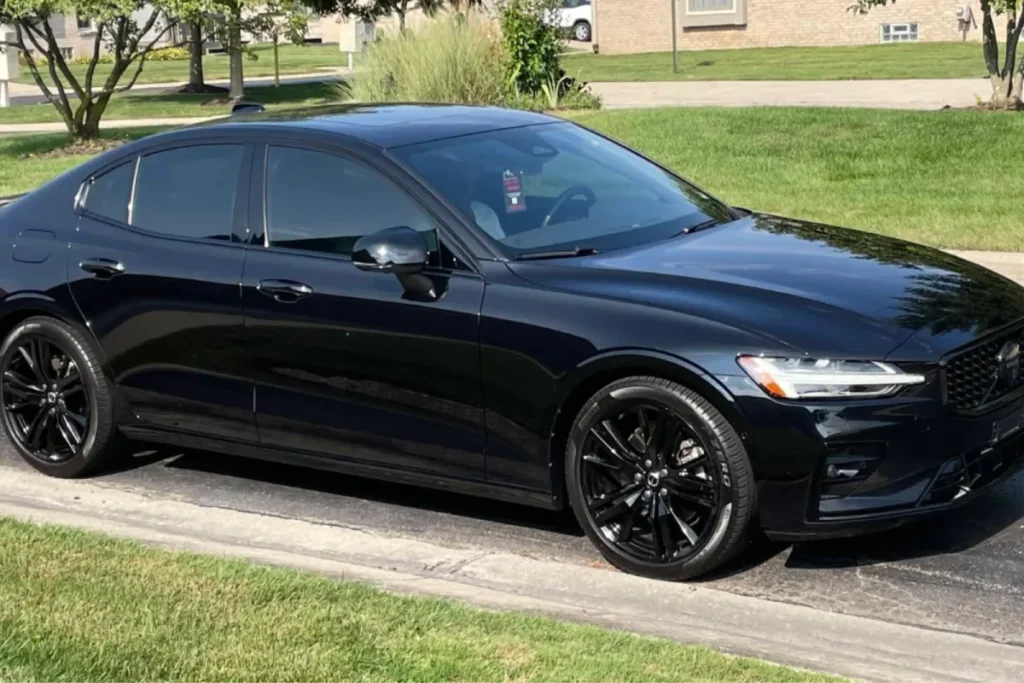
The Precision Refined Paint Restoration Method
Paint correction is not just about removing defects; it’s about restoring your vehicle’s finish with a controlled, methodical approach that delivers consistent, high-end results. The process is designed to restore the depth, clarity, and gloss of your paint, ensuring every panel reflects light evenly and cleanly. By carefully refining the clear coat, we eliminate scratches, swirl marks, and oxidation, revealing a finish that feels dramatically closer to factory perfection.
This level of transformation relies on precision techniques for a flawless, like-new finish, where every stage is intentionally executed rather than rushed. Each vehicle receives a tailored approach that helps enhance paint depth and vehicle aesthetics, bringing out richness and clarity that standard detailing cannot achieve. The result is a surface that doesn’t just look better, it feels smoother and more refined to the touch.
Beyond appearance, this process helps boost resale value and long-term appearance, making it a smart investment for owners who care about preserving vehicle condition. A properly corrected surface also allows you to enjoy a smoother, cleaner surface that lasts, reducing maintenance effort and keeping the finish looking fresher for longer.
At its core, this method reflects a standard where craftsmanship, passion, and precision meet. It is performed by certified professionals who are truly detail-obsessed, delivering consistent excellence backed by trust and proven results. Built on over 200 five-star reviews and trusted by Shelby Township’s most discerning drivers, this approach ensures your vehicle receives a level of care that goes beyond expectations.
Debunking the Myth That Paint Correction Damages Paint
One of the most common misconceptions is that paint correction “removes too much paint” and weakens the vehicle’s finish.
In reality, professional paint correction removes only a microscopic layer of the clear coat, just enough to level imperfections. When performed correctly by trained professionals, it is completely safe and controlled.
The real risk comes from improper techniques or inexperienced operators, which is why choosing a trusted provider is essential.
Key Specifications of High-Quality Paint Correction
Understanding the features of professional Shelby Township paint correction helps distinguish quality work from basic detailing.
- Clear Coat Leveling:
Carefully removes a minimal layer to eliminate imperfections without compromising paint integrity. - Multi-Stage Polishing:
Uses different compounds and pads to refine the surface progressively. - Advanced Lighting Inspection:
Ensures all defects are identified and addressed accurately. - Surface Preparation:
Includes decontamination to prevent further damage during polishing. - Protective Finishing:
Applies sealants or coatings to preserve results and enhance durability.
These elements ensure a finish that is not only visually stunning but also structurally improved.
Signs Your Vehicle Needs Paint Correction
If you’re unsure whether your vehicle would benefit from paint correction, look for these indicators:
- Visible swirl marks under sunlight
- Dull or hazy paint finish
- Fine scratches across panels
- Water spots that won’t wash away
- Lack of depth or gloss
Drivers often notice these signs after harsh seasonal conditions, making paint correction in Shelby Township an essential step in restoring their vehicle’s appearance.
Long-Term Benefits Beyond Appearance
Paint correction offers more than just cosmetic improvements; it delivers real long-term value.
A smoother surface reduces dirt adhesion, making regular maintenance easier and less time-consuming. It also prepares the paint for protective treatments like ceramic coatings, which extend the lifespan of the finish.
Additionally, maintaining a well-corrected exterior significantly boosts resale value, as buyers often associate paint condition with overall vehicle care.
Bringing It All Together
Paint correction is one of the most effective ways to remove scratches and swirl marks, restoring your vehicle’s original beauty and enhancing its long-term value. By addressing imperfections at the source, it delivers results that go far beyond surface-level cleaning.
At K&D Auto Spa – Detailing, we combine expertise, precision, and customer-focused service to deliver results tailored to your vehicle’s condition and goals.
If you’re ready to experience the difference, contact us to book your appointment or request a personalized quote. Let us help you bring your vehicle back to life with the care and attention it deserves.
People Also Ask (FAQ)
Can paint correction remove all scratches?
Paint correction can remove most light to moderate scratches and swirl marks. Deep scratches that penetrate beyond the clear coat may require additional repair methods.
How long does paint correction last?
Results can last for years when combined with proper maintenance and protective coatings like ceramic coating.
Is paint correction worth it?
Yes. It improves appearance, increases resale value, and prepares the surface for long-term protection.
How many stages of paint correction are there?
Typically, one-stage, two-stage, or multi-stage, depending on the level of imperfections and desired finish.
Will paint correction make my car look new again?
In many cases, yes. While it won’t fix structural damage, it can dramatically restore gloss, clarity, and overall appearance.